Human Rights Day
Article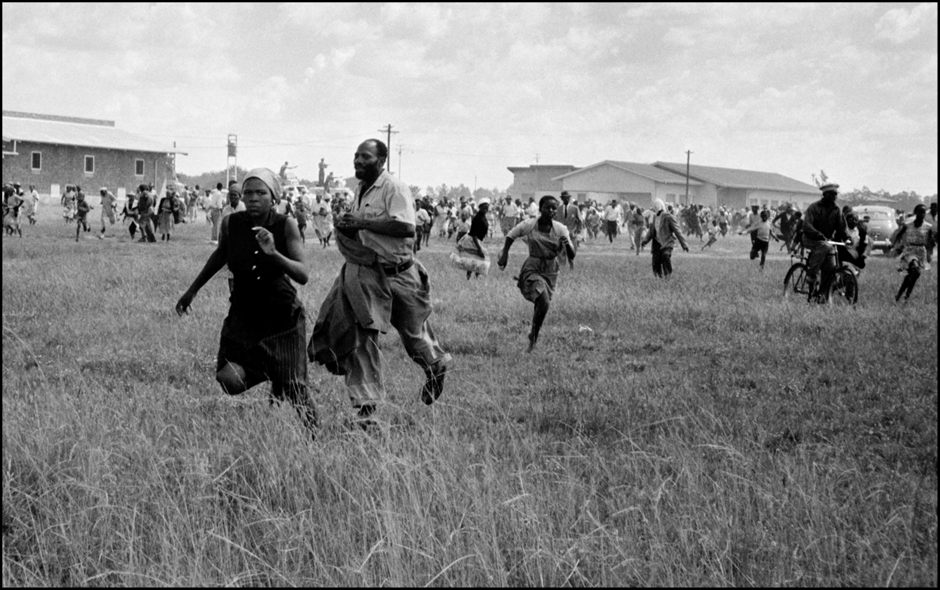
Observed annually on 21 March, Human Rights Day commemorates the Sharpeville Massacre of 1960. It recognises the importance of protecting human rights for all South Africans.
Author: Mpho Maboatle
Historical background
On 21 March 1960, peaceful protesters gathered in Sharpeville to oppose the apartheid pass laws. Police opened fire on the crowd, killing 69 people and injuring 180 others. The tragedy became a turning point in the fight against apartheid, and is why Human Rights Day is marked on this date each year.
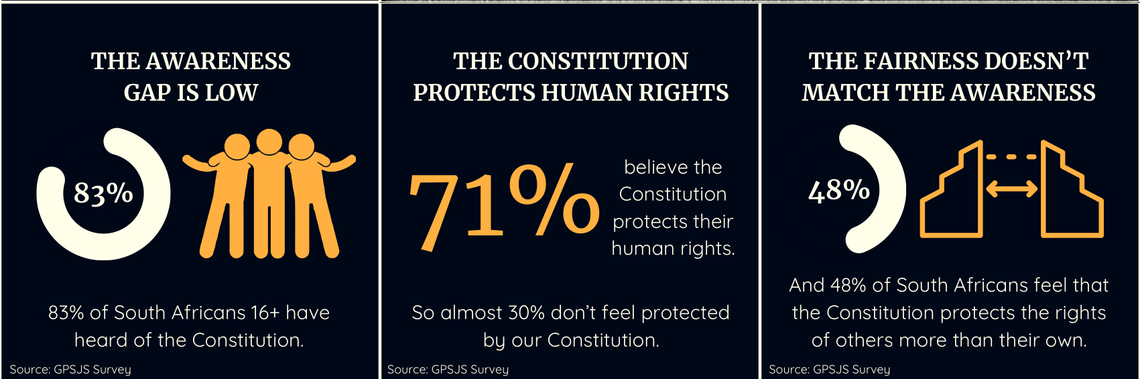
Awareness of the Constitution is high: 83% of South Africans aged 16 and over have heard of it, and 71% believe it protects their human rights. But that leaves almost 30% who don't feel protected, and 48% feel the Constitution protects other people's rights more than their own.
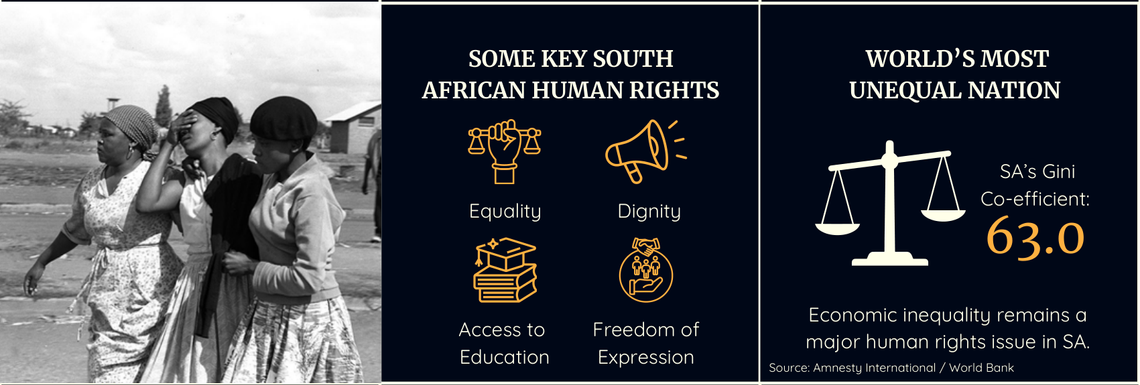
The Constitution enshrines core rights including equality, dignity, access to education and freedom of expression. Yet South Africa remains the world's most unequal nation, with a Gini coefficient of 63.0 — making economic inequality one of the country's most pressing human rights issues.
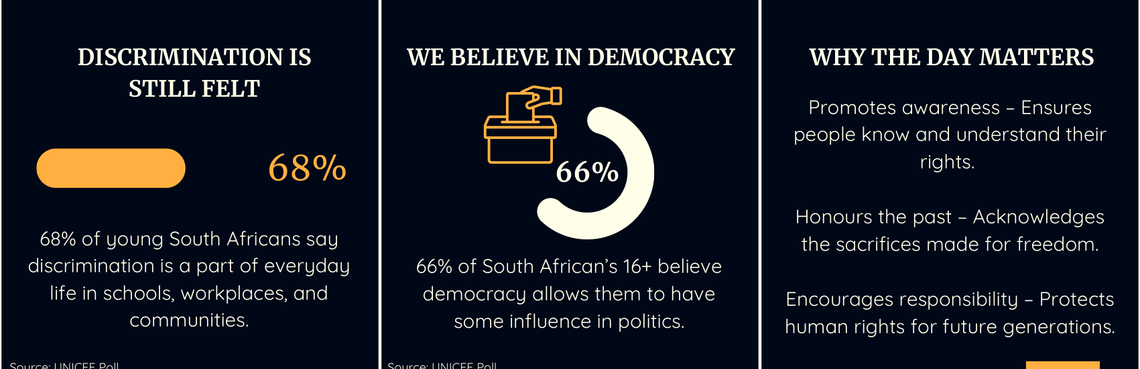
Discrimination is still part of everyday life for 68% of young South Africans, across schools, workplaces and communities. Even so, 66% believe democracy gives them some influence in politics. That is why the day matters: it promotes awareness of rights, honours the sacrifices made for freedom, and encourages responsibility to protect human rights for future generations.
Sources: GPSJS Survey, UNICEF Poll, Amnesty International and the World Bank.